Many people believe that being uncomfortable at work is normal. If you have back or shoulder pain or you are constantly shifting positions, you might think it’s just part of sitting all day. These are actually quite clear signs that your office chair is bad.
How you sit on an office chair affects your posture, the alignment of your spine, your comfort, and your ability to get things done. If a chair doesn’t support the body effectively, the symptoms get worse with time. A small discomfort can turn into continual stress and exhaustion over time. If you know the signs of a bad office chair early on, you can avoid pain and problems that last a long time.
Why Your Office Chair Matters More Than You Think
Every day, your chair holds up your body for hours. A nice office chair helps you sit up straight, supports your lower back, and relaxes your muscles. A poorly built chair does the opposite.
Bad posture becomes a habit when you don’t pay attention to ergonomics. The spine becomes out of alignment, the shoulders bend forward, and the lower back sinks in. The CDC claims that poor sitting is a major source of musculoskeletal pain at work. Over time, this makes things less pleasant and less productive.
An ergonomic chair is made to help you move and give you support. But a bad chair makes the body work harder to make up for it. That pay usually makes you feel uncomfortable, stiff, or fatigued after working for a long time.
Common Signs Of A Bad Office Chair
Persistent Back, Neck, or Shoulder Pain
If your back or shoulders hurt all the time when you sit on an office chair, there’s a clear sign that it’s not a good one. If you continually suffer back pain after sitting down, your chair could not be giving your lower back enough support.
The lower back needs continual support to preserve its natural curve. Without it, the structures in the spine have to work harder. Lacking proper support and sitting for lengthy periods of time are two of the most common causes of lower back discomfort.
Pain shouldn’t be thought of as normal office fatigue. A supportive ergonomic office chair doesn’t make things worse; it makes them better.
Seat Cushion Feels Flat, Hard, or Uneven
The foam in a chair that has been used a lot is usually flat or uneven. When the seat stops being able to appropriately distribute weight, the hips and thighs start to hurt.
When you sit for a long time, this ache gets worse. You can feel like your legs are numb or you might move around a lot. An excellent ergonomic chair will keep supporting you even after you’ve been sitting on it for hours.
No Adjustable Lumbar Support
You require lumbar support to keep your posture healthy. Your spine won’t be in the appropriate location if your office chair has fixed support that doesn’t line up with your lower back or no support at all.
You should be able to move your lower back around in a suitable office chair. The chair won’t fit your body if you can’t modify the lumbar support.
Limited or Broken Adjustability
A chair that functions must be able to be changed. If the seat height, tilt, or recline don’t work well anymore, the chair can’t help you sit up straight.
You have to sit in weird positions when the modifications don’t work. If your feet can’t rest flat on the floor or your arms don’t line up perfectly with your desk, your chair is definitely the problem. Ergonomics doesn’t rely on set posture; it relies on flexibility and adaptation.
Armrests Cause Shoulder or Wrist Strain
A lot of people don’t realize how crucial the design of an armrest is. If the armrest is too high, your shoulders will raise in an awkward way. If it’s too low, your arms won’t have anything to hold them up.
This misalignment makes the wrists and shoulders stiff, especially while you type. An ergonomic office design needs to give your arms the necessary support to avoid repetitive strain
You Constantly Shift or Cannot Sit Comfortably
If you often vary your position, lean forward, or move from side to side, your chair may not be giving you the support you need.
When you’re uncomfortable, moving around a lot is usually an unconscious response. You shouldn’t have to shift around all the time to work if the chair supports you.
Visible Wear, Squeaking, or Instability
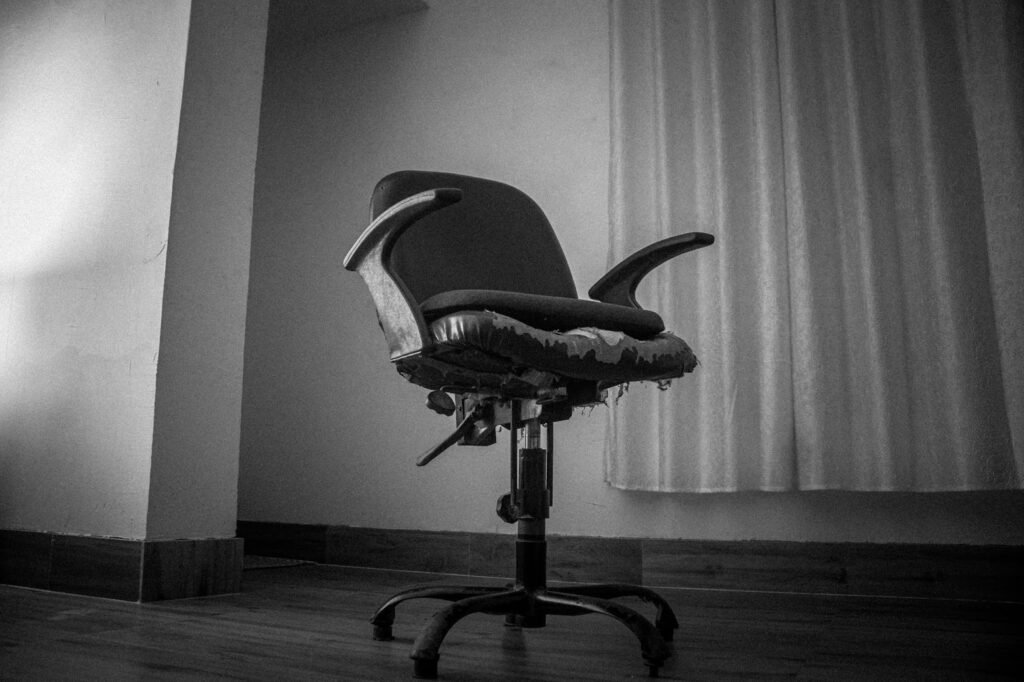
There are also physical signs that demonstrate that an office chair is bad. If the structure is breaking down, you can hear creaking sounds, see it wobble, feel loose sections, or watch the seat sink.
If a chair is wobbly, it’s not as safe or comfy. If the base is unstable or the frame is weak, the overall piece of office furniture is less stable.
Health and Productivity Risks of Ignoring These Signs
If you don’t pay attention to these warning signs, you could have problems for a long time. Bad posture makes your joints and muscles work harder. Pain becomes chronic strain over time.
The body gets more weary when it has to work harder to stay balanced. Not as much attention. People are less productive. People who work could take more breaks to feel better.
Research on ergonomics consistently shows that proper ergonomic support reduces stress and improves concentration. When your chair is set up right, you can work instead of trying to deal with pain.
When It’s Time to Replace Your Office Chair
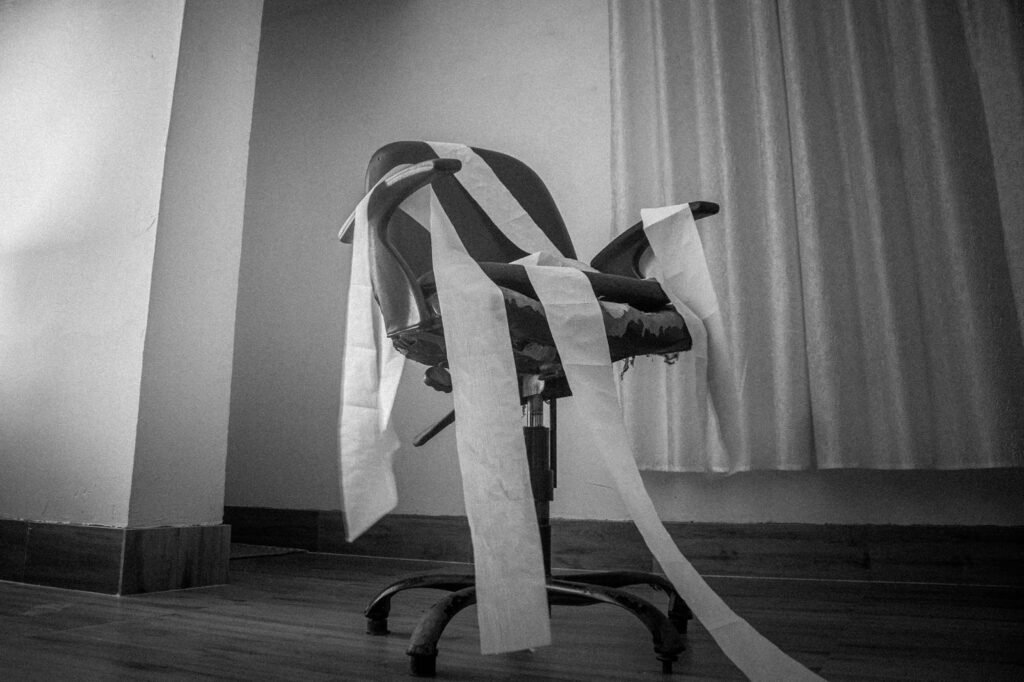
There are ways to address some difficulties. A few people feel that a new one is needed.
If your chair still hurts after you move it and modify its height, it’s not working right anymore. It’s time to acquire a new chair if you keep feeling uncomfortable in it.
A good ergonomic chair should be sturdy, comfy, and give you the same level of support all day. If it can’t, the best thing to do is acquire a new one.
What to Look for in a High-Quality Ergonomic Office Chair
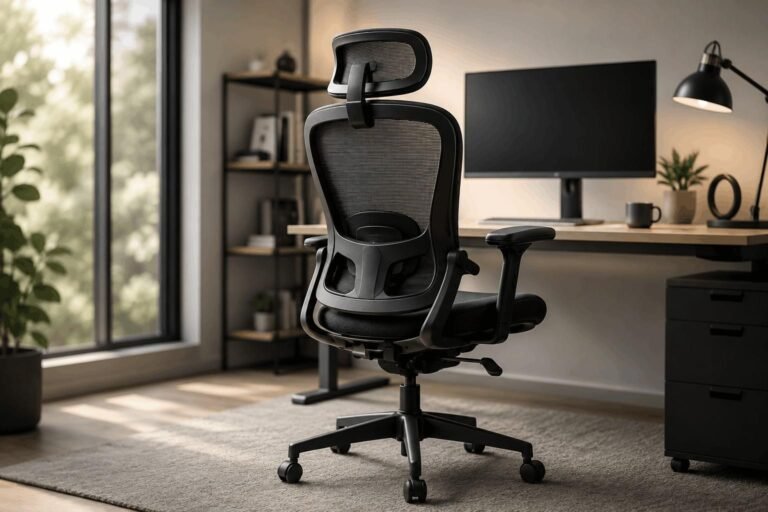
Make sure that the new one can be changed and is sturdy when you upgrade. A decent ergonomic office chair should have:
Good support for the lower back
You can modify the height of the seat.
Tilt and recline that work
Putting the armrest in the right place for support
A solid base and smooth mobility
An ergonomic office design doesn’t force you to be rigid; it lets you sit and stand naturally. You should suit the right chair, not the other way around.
A Smarter Alternative to Buying New Office Chairs
Many people believe that getting a new chair means getting a new one. On the other hand, refurbished ergonomic chairs are an inexpensive choice.
Chairs that have been professionally restored preserve their shape while mending worn sections. Replacing gas lifts, fixing the cushioning, adjusting the mechanics, and verifying the adjustability are all standard features of refurbishing.
This procedure brings back comfort and durability without having to buy new models.
How Premium Refurbished Chairs Help Solve These Problems
Nulife Chairs specializes in high-quality refurbished ergonomic office chairs that fix the difficulties with cheap office chairs that were talked about above.
We verify, test, and fix each chair to make sure it works correctly and gives the right support. We check the chair’s ability to be adjusted, make sure it is solid, and make it comfortable again.
Customers can receive high-quality ergonomic chairs that help them sit up straight and last a long time by picking chairs that have been professionally repaired.
Final Thoughts
If you notice the signs of a bad office chair, it doesn’t imply you’re being overly picky. It’s about maintaining your comfort, posture, and work level safely.
A chair should help you, not get in the way. It’s time to make a change if something is always hurting, can’t be changed, looks worn out, or is unstable.
Instead of placing strain on your body, getting a new or used ergonomic office chair that is pleasant and supportive will assist your health and performance.
Frequently Asked Questions (FAQs)
Are you not sure if your chair is the problem?
Check for remanufactured ergonomic office chairs that are designed to be comfy, improve posture, and endure a long time.